
www.intralogisticsmag.com
26
'26
Written on Modified on
Automated Material Handling in Fastener Manufacturing
Friulsider deploys automated guided vehicle technology from STILL to improve internal logistics continuity, safety, and material flow in its fastening systems production facility.
www.still.fr
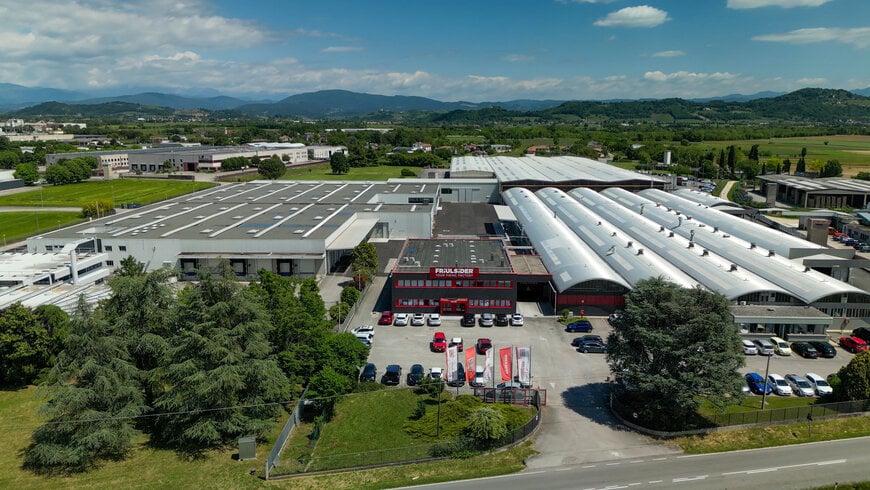
Friulsider Simpson Strong-Tie has implemented an automated guided vehicle (AGV) system from STILL at its production facility in San Giovanni al Natisone, Italy, to automate pallet and container transport between production, storage, and shipping areas. The deployment reflects a broader industrial shift toward warehouse automation and digital supply chain integration in manufacturing environments where continuous material flow and mixed traffic operations create operational complexity.
Expanding Production in a High-Mix Manufacturing Environment
Friulsider, part of the Simpson Strong-Tie Group since 2022, manufactures fastening systems for the construction sector, supplying products across more than 30 European countries. Its operations include the in-house production of metal, plastic, and chemical fasteners, self-drilling screws, wood fasteners, and bolts.
At its San Giovanni al Natisone facility in Udine province, the company processes more than 4,000 tonnes of materials annually, including carbon steel, stainless steel, brass, aluminium, and plastics. This level of throughput creates significant internal transport requirements, particularly where multiple production lines, storage zones, and outbound logistics functions must remain synchronized.
Operational Challenge: Managing Growth Without Disrupting Production
As part of a facility expansion, Friulsider introduced a new automated anchor production line and additional production space. The expansion increased the complexity of internal logistics, particularly in an environment already characterized by continuous forklift traffic and operator movement.
The company required an automated transport solution that could integrate with both newly developed production areas and the existing plant layout without interrupting operations. Timing was also a significant factor, as implementation needed to align with expansion schedules while maintaining production continuity.
Luca Fogar, Operations Director at Friulsider Simpson Strong-Tie, described the operational context as one requiring reliable automation capable of functioning within a dynamic industrial environment while preserving workflow continuity.
Why Automated Guided Vehicle Technology Was Selected
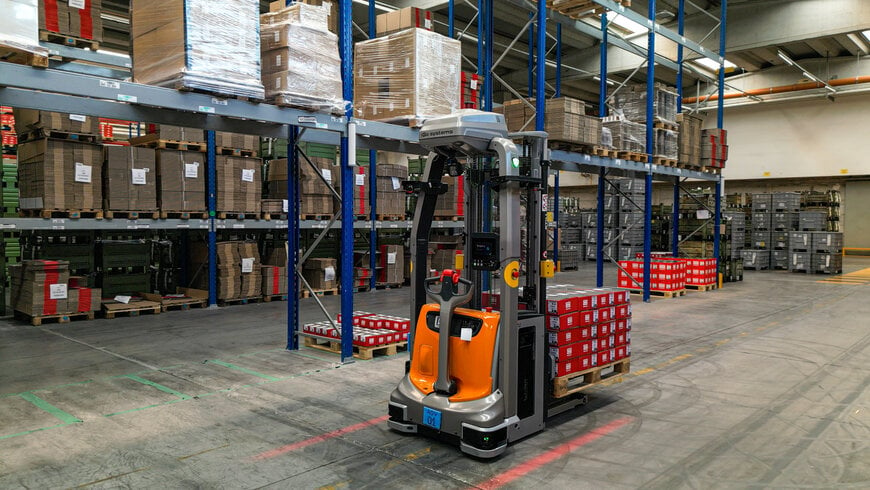
Friulsider selected STILL’s iGo automated guided vehicle system based on its ability to align with existing production processes rather than requiring major infrastructure redesign.
A key technical factor was the use of laser-based navigation, which allows autonomous vehicle movement without installing dedicated physical guidance infrastructure. This reduced deployment complexity inside an operating facility.
The system also supports hybrid operational models, enabling automated transport to coexist with manual warehouse activity. This was relevant for Friulsider, where automation needed to complement—not replace—existing logistics operations.
Another factor was systems integration capability. The AGVs communicate via Wi-Fi with enterprise resource planning and warehouse management systems, allowing transport missions to be coordinated in real time with broader production and logistics workflows.
Deployment Across Internal Logistics Flows
The deployed automated material handling system manages pallet and container movement between production end-of-line stations, storage racks, and shipping buffer areas.
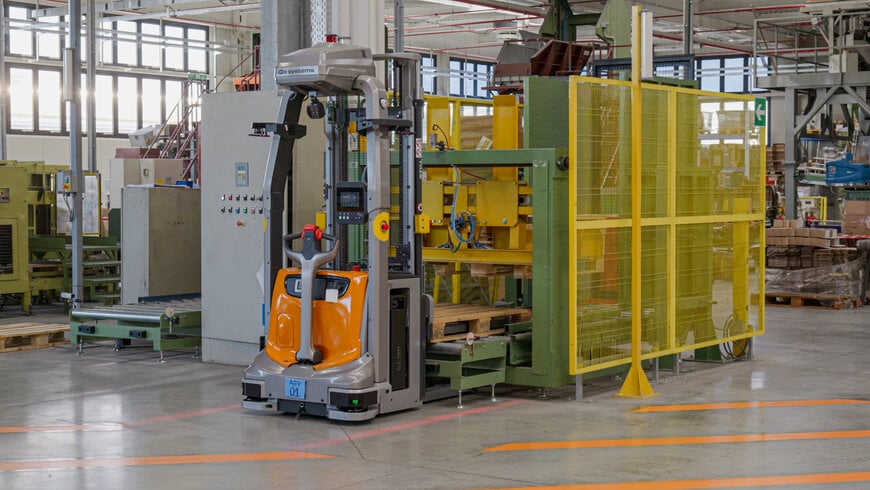
The implementation included integration with automatic palletizing systems while preserving compatibility with manual handling workflows. This reduced the risk of operational fragmentation between automated and non-automated logistics zones.
STILL’s support also appears to have been a decision factor. Friulsider cited responsiveness, implementation speed, and the ability to deliver a project tailored to site-specific operational requirements.
Operational Efficiency Through Autonomous Fleet Management
The deployed vehicles use lithium-ion battery systems with automated opportunity charging, allowing autonomous charging cycles to be integrated into operational workflows. This supports high equipment availability across multi-shift manufacturing operations.
The iGo control software manages traffic routing, battery monitoring, fleet coordination, and mission execution. Safety systems, including sensor-based pallet detection and collision-aware navigation, support autonomous movement in shared industrial environments.
Because the vehicles can also be manually operated when required, the deployment retains operational flexibility during exceptional workflows or maintenance scenarios.
Results: Improved Material Flow and Workforce Allocation
Friulsider reported measurable operational improvements in workflow organization and transport punctuality. According to the company, automated transport reduced variability in internal material movement and enabled personnel to focus on higher-value operational tasks instead of repetitive transport activity.
From an operational perspective, this type of warehouse automation can improve production consistency by reducing transport delays between manufacturing stages, lowering dependence on manual vehicle coordination, and improving safety in mixed-traffic industrial environments.
Edited by Aishwarya Mambet, Induportals Editor, with AI assistance.
www.still.com
