
www.intralogisticsmag.com
23
'26
Written on Modified on
Mobile Harbor Crane for Multi-Purpose Terminals
Konecranes introduces the ESP.4 to expand its Generation 6 range, targeting smaller ports seeking flexible, electrified cargo handling solutions.
www.konecranes.com
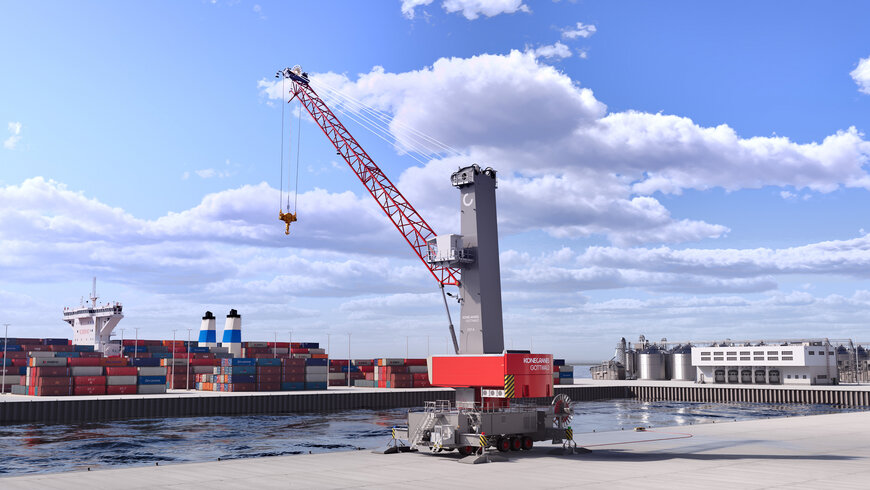
The ESP.4 is the latest addition to the Generation 6 mobile harbor crane portfolio. Designed for smaller seaside and inland ports, it supports container, bulk and general or project cargo handling within a compact footprint while maintaining the performance characteristics of larger models in the range.
Positioning Within the Generation 6 Range
The Generation 6 family extends from the ESP.4 to the ESP.10. With the ESP.4 positioned as the smallest variant, the range addresses different quay load limits, vessel sizes and cargo mixes.
The model is built on more than 70 years of mobile harbor crane development. It is engineered for multi-purpose operations in terminals where berth space, maneuvering area and infrastructure are limited, but operational flexibility is required due to mixed cargo flows.
The crane is available in three configurations:
- Five-axle rubber-tired chassis for flexible quay mobility
- Rail-mounted portal for fixed-track operations
- Barge-mounted version for floating applications
This configuration flexibility allows operators to adapt equipment to berth design, quay strength and traffic density.
Drive Concept and Electrification Options
The ESP designation reflects three core technical attributes: electric, smart and powerful.
The electric architecture is based on a modular drive concept. Operators can select:
Drive Concept and Electrification Options
The ESP designation reflects three core technical attributes: electric, smart and powerful.
The electric architecture is based on a modular drive concept. Operators can select:
- Fully electric operation via external power supply
- Battery-supported configurations
- Diesel generator sets optimized for efficiency
This approach allows terminals to align crane power supply with local grid capacity, emission targets and operational duty cycles. Electrified operation supports decarbonization strategies in ports, particularly in regions introducing stricter emission limits or carbon reporting requirements.
The modular power concept also enables gradual transition from conventional fuel-based systems toward electrified fleets, aligning with broader digital supply chain and sustainability initiatives in port logistics.
Performance Characteristics and Operational Scope
Despite its smaller structural footprint, the ESP.4 is designed to deliver high working speeds and lifting performance curves consistent with classification standards applied across the Generation 6 range.
Multi-purpose capability allows a single unit to handle:
- Containers in feeder and short-sea services
- Dry bulk such as grain or aggregates
- General cargo and heavy project components
For smaller ports experiencing increasing container volumes alongside traditional bulk cargo, this reduces the need for separate specialized machines. Equipment utilization rates can therefore be improved, particularly in terminals with fluctuating cargo profiles.
Digital Tools and Smart Features
The “smart” component refers to integrated digital tools supporting operational monitoring and maintenance planning. These systems contribute to improved equipment availability and predictive servicing, aligning crane operation with broader port digitalization efforts and integrated terminal management systems.
For operators expanding toward an automotive data ecosystem or other standardized logistics data frameworks, integrated machine data can support performance benchmarking, energy monitoring and asset lifecycle management.
Application in Smaller Ports
Smaller river and coastal ports often face constraints in quay length, hinterland connections and capital investment. A mobile harbor crane with multi-cargo capability enables phased infrastructure development without committing to fixed container gantries or specialized bulk unloaders.
By combining mobility, electrification options and digital monitoring, the ESP.4 is positioned as an entry-level model within the Generation 6 range while maintaining compatibility with modern emission and data integration requirements.
Company Context
Konecranes operates globally in the material handling sector, employing approximately 16,500 people across more than 50 countries. The company reported group sales of EUR 4.2 billion in 2025 and is listed on Nasdaq Helsinki under the symbol KCR.
The ESP.4 expands its mobile harbor crane portfolio with a model specifically designed for smaller terminals seeking flexible cargo handling combined with scalable electrification and digital integration.
www.konecranes.com
