
www.intralogisticsmag.com
11
'26
Written on Modified on
AMR Fleets Reshape Automotive Factory Logistics
Geekplus deploys mobile robotic fleets across Toyota Motor Corporation production facilities to automate factory intralogistics and mitigate manufacturing labour shortages.
www.geekplus.com
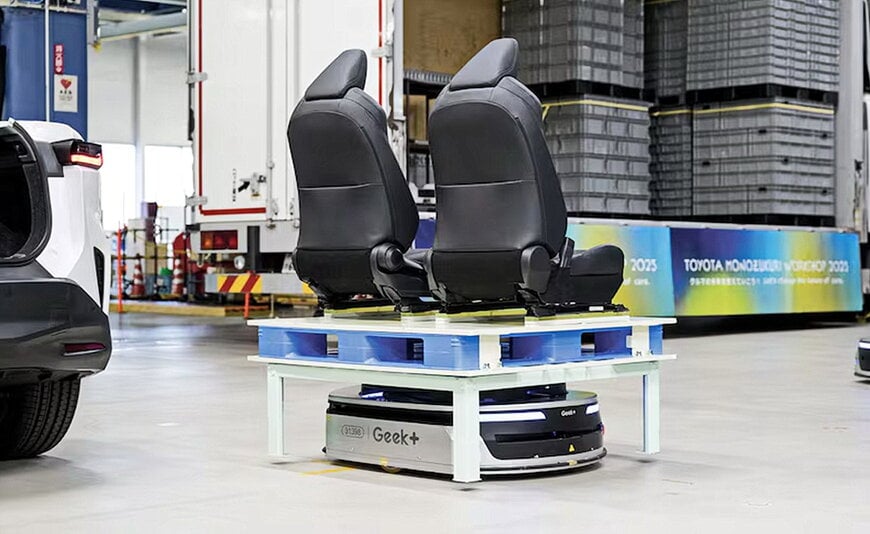
The cooperation between the automation provider and the automotive manufacturer addresses structural labor shortages and newly implemented logistics regulations within the industrial automation sector. To maintain high throughput, the factory infrastructure requires scalable transport systems capable of operating continuously without increasing the manual workload of on-site personnel. Integrating automated fleets removes reliance on manual labor for repetitive, long-distance material handling, allowing the workforce to be allocated to complex assembly tasks.
System Architecture and Fleet Coordination
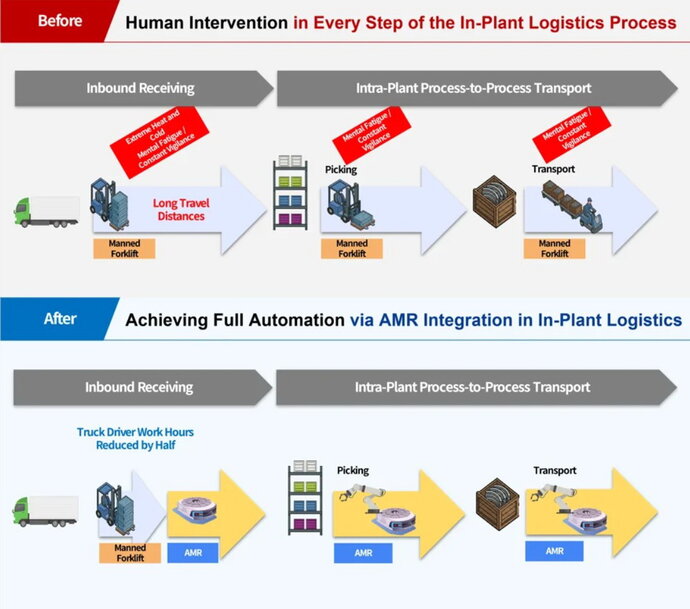
The technical solution involves the implementation of 436 moving-type autonomous mobile robots distributed across multiple production facilities. Within individual plant systems, the fleet architecture scales up to approximately 200 units operating under a unified coordination network. These robots manage the unmanned movement of components through successive manufacturing phases, navigating from inbound receiving docks directly to designated picking and material processing zones.
Geekplus configures the flexible system design to adapt to existing plant layouts, while Toyota Motor Corporation integrates the hardware into its standardized operational workflows. By tracking the exact path and timing of each unit, the fleet management software accumulates continuous travel data. This telemetry enables the precise visualization of inventory movement across the factory floor, converting physical material transport into traceable digital data points.
Operational Safety and Lifecycle Support
Replacing manual tuggers, conventional forklifts, and industrial towing vehicles with low-profile autonomous units alters the safety profile of the manufacturing environment. The automated units utilize sensor-based navigation to eliminate the risk of collisions at high-traffic intersections, separating pedestrian pathways from heavy material transport lines.
To ensure long-term process stability, the cooperation extends past initial hardware deployment into operational lifecycle management. The technology provider delivers standardized technical education and maintenance training directly to the automotive plant operators. This structured knowledge transfer ensures that on-site personnel can safely maintain the equipment, perform routine diagnostics, and support the ongoing standardization of internal logistics processes.
Edited by Evgeny Churilov, Induportals Media - Adapted by AI.
www.geekplus.com
