
www.intralogisticsmag.com
06
'26
Written on Modified on
Nonwoven Fabric Manufacturing Traceability via Warehouse Management
Polímeros y Derivados implemented Mecalux software to optimize finished goods storage and operational tracking.
www.mecalux.com
Application area: Warehouse management and logistics traceability
Industry sector: Nonwoven textiles and industrial materials manufacturing
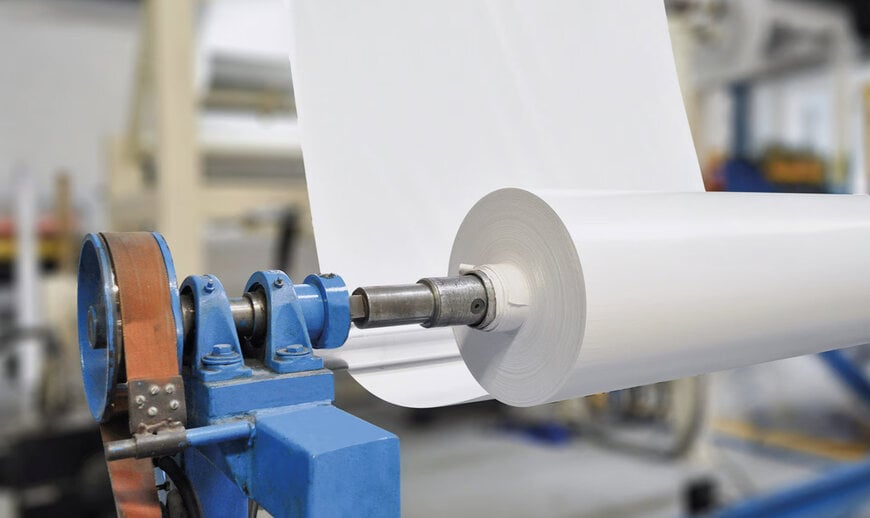
Polímeros y Derivados, a Mexico-based manufacturer of technical nonwoven fabrics established in 1958, produces engineered materials using dry-laid, wet-laid, and air-laid technologies for automotive, footwear, filtration, and construction applications. To maintain operational consistency across its distribution infrastructure, the enterprise planned a full-scale digital conversion of its finished goods logistics framework, transitioning from conventional inventory practices to an automated, end-to-end material tracking system.
Operational Challenges in Finished Goods Handling
Prior to this installation, warehouse teams managed extensive roll inventory through manual procedures recorded in an enterprise resource planning system. This conventional method generated stock discrepancies between physical holdings and digital records, while limiting real-time oversight of outbound preparation. The site required a centralized solution to govern order lines containing up to 40 items each, eliminate documentation errors, and streamline its material rotation workflows.
Implementation of Dedicated Warehouse Software
The company deployed the on-premises Mecalux Easy WMS architecture directly onto its local server infrastructure. The platform links bidirectionally with the existing Microsoft Dynamics ERP environment to coordinate inventory intake and outgoing logistics. To support operational autonomy, technical personnel also introduced the Easy S configuration tool alongside Supply Chain Analytics, enabling internal engineering teams to adjust system logic independently after completing dedicated operator training.
Custom Identification and Quality Integration
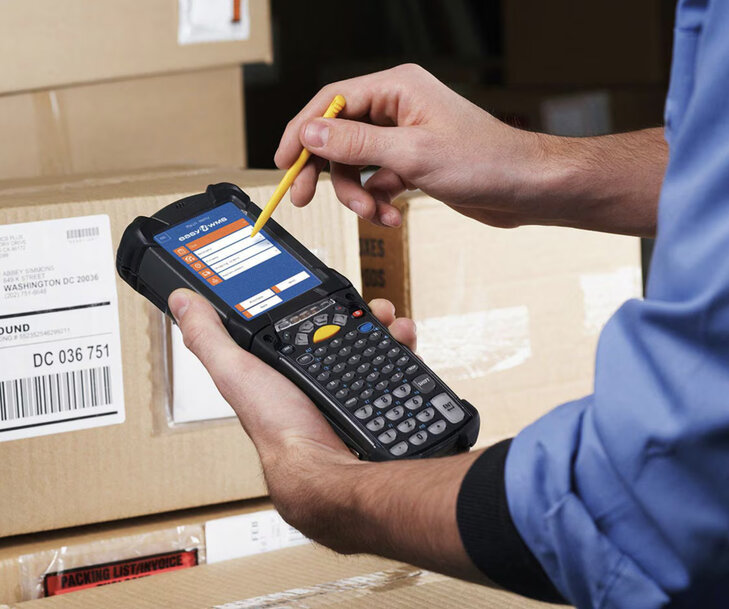
A technical requirement of the deployment involved adapting the WMS to the non-standard, two-dimensional labeling structure utilized by Polímeros y Derivados. Radiofrequency terminals scan inbound pallets from production lines to log dimensions, lot numbers, serial sequences, and customer account data. This data capture model aligns directly with internal quality assurance guidelines, ensuring that verification protocols remain intact across every material transaction.
Operational Results and Inventory Control
The deployment replaced a manual color-coding method with an automated first-expired, first-out allocation algorithm. By harmonizing warehouse metrics with enterprise data, the company eliminated inventory variances, accelerated dispatch processes, and secured end-to-end traceability for every roll of nonwoven fabric entering supply channels.
Edited by Natania Lyngdoh, Induportals editor, with AI assistance.
www.mecalux.com
Industry sector: Nonwoven textiles and industrial materials manufacturing
Polímeros y Derivados, a Mexico-based manufacturer of technical nonwoven fabrics established in 1958, produces engineered materials using dry-laid, wet-laid, and air-laid technologies for automotive, footwear, filtration, and construction applications. To maintain operational consistency across its distribution infrastructure, the enterprise planned a full-scale digital conversion of its finished goods logistics framework, transitioning from conventional inventory practices to an automated, end-to-end material tracking system.
Operational Challenges in Finished Goods Handling
Prior to this installation, warehouse teams managed extensive roll inventory through manual procedures recorded in an enterprise resource planning system. This conventional method generated stock discrepancies between physical holdings and digital records, while limiting real-time oversight of outbound preparation. The site required a centralized solution to govern order lines containing up to 40 items each, eliminate documentation errors, and streamline its material rotation workflows.
Implementation of Dedicated Warehouse Software
The company deployed the on-premises Mecalux Easy WMS architecture directly onto its local server infrastructure. The platform links bidirectionally with the existing Microsoft Dynamics ERP environment to coordinate inventory intake and outgoing logistics. To support operational autonomy, technical personnel also introduced the Easy S configuration tool alongside Supply Chain Analytics, enabling internal engineering teams to adjust system logic independently after completing dedicated operator training.
Custom Identification and Quality Integration
A technical requirement of the deployment involved adapting the WMS to the non-standard, two-dimensional labeling structure utilized by Polímeros y Derivados. Radiofrequency terminals scan inbound pallets from production lines to log dimensions, lot numbers, serial sequences, and customer account data. This data capture model aligns directly with internal quality assurance guidelines, ensuring that verification protocols remain intact across every material transaction.
Operational Results and Inventory Control
The deployment replaced a manual color-coding method with an automated first-expired, first-out allocation algorithm. By harmonizing warehouse metrics with enterprise data, the company eliminated inventory variances, accelerated dispatch processes, and secured end-to-end traceability for every roll of nonwoven fabric entering supply channels.
Edited by Natania Lyngdoh, Induportals editor, with AI assistance.
www.mecalux.com
